
Galactday: 56205.3
A Satirical Op-Ed on the War That Got Away
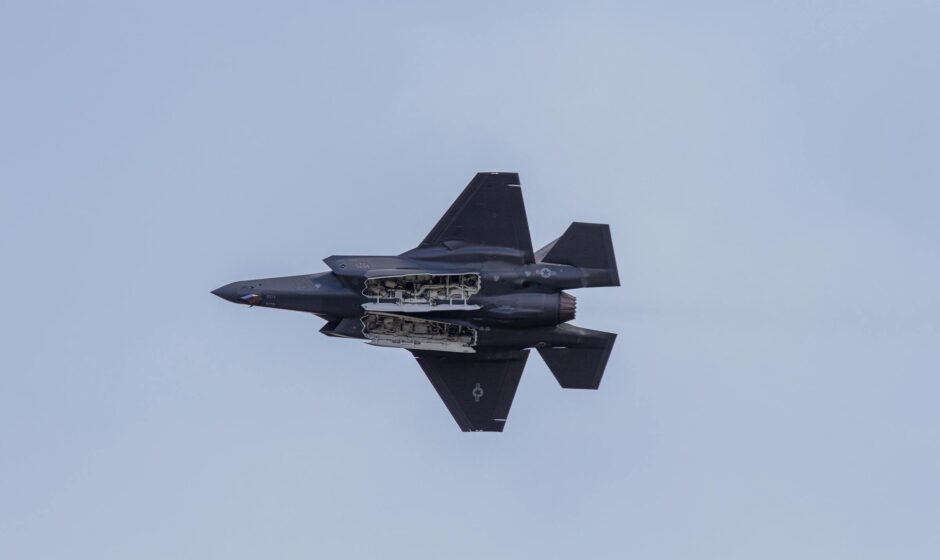
There’s a very specific moment in every modern conflict when confidence peaks—right before reality walks in and flips the table. Photo by Sipal Photography
For the self-appointed architects of the Iran war—let’s call them the War Bros—that moment came early. The maps were crisp, the targets were selected, and the messaging was airtight. This would be swift, controlled, and above all, successful. The kind of operation that looks clean in a briefing and even cleaner in a headline.
“This will be quick,” they said, with the calm certainty of people who have never had to clean up what happens after “quick.”
The opening act delivered exactly what it promised: precision strikes, high-value targets eliminated, infrastructure disrupted. A bold display of power meant to signal dominance and deterrence in one decisive move.
And then, like a script no one rehearsed for, the war refused to cooperate.
Iran didn’t fold. It adapted. It retaliated. It expanded the battlefield in ways that don’t fit neatly into a PowerPoint slide. Suddenly, what was supposed to be a controlled engagement started behaving like an out of control chain reaction. Regional tensions ignited. Shipping lanes became battlegrounds. The conflict didn’t stay put—it spread, dragging global consequences along with it.
This is the part where the War Bros usually pivot.
“Phase Two,” they say, which is less a strategy and more a polite way of admitting Phase One didn’t quite land.
More strikes followed. More targets. More language about “degrading capabilities” and “limited objectives,” terms that sound reassuring until you realize they’re being repeated over and over again, like someone insisting they’re not lost while driving in circles.
Meanwhile, the world outside the situation room began to feel it.
Oil routes tightened. Prices climbed. Supply chains—already fragile—started buckling under pressure. The war wasn’t just a distant headline anymore; it was showing up in grocery bills, fuel costs, and the quiet anxiety of systems stretched too thin. Conflicts like this don’t stay contained. They ripple outward, touching people who had no role in starting them.
But back in the echo chamber of strategic optimism, the narrative held firm.
“We’re winning.”
Winning what, exactly, remains unclear.
Winning often becomes a placeholder—something to say when the original objective has blurred into something less defined. It’s the rhetorical equivalent of shrugging in a tailored suit.
And then there’s the instinctual confidence, the kind that doesn’t come from evidence but from feeling. A gut-level certainty. Or, in this case, something even more poetic: bone spurs.
Because nothing captures the surreal logic of modern war quite like decisions of massive consequence being driven by a vague, unshakable sense that it’s all going according to plan. Not because the data says so, not because the outcomes align—but because somewhere deep down, it just feels right.
“When he feels it in his bone spurs,” should be saying, as if that’s a substitute for foresight.
History suggests otherwise.
One of the more consistent lessons of conflict is that it rarely behaves as expected. Leadership decapitation doesn’t guarantee collapse. Pressure doesn’t always weaken; sometimes it hardens. And escalation, once set in motion, tends to develop its own momentum, indifferent to the intentions that started it.
That’s the part that keeps repeating.
What begins as a calculated move becomes something far less predictable. Control gives way to reaction. Strategy becomes improvisation. And the people who once pointed confidently at maps are left adjusting to a reality that refuses to align with their assumptions.
At some point, the war stops being theirs.
It slips beyond the planned script and into the realm of consequence—where outcomes aren’t dictated, but discovered, often too late to redirect. The War Bros can keep meeting, keep refining language, keep making social media videos and keep insisting that the situation is manageable. But the conflict itself has already moved on beyond sounds bites and military cliché’s.
It has its own pace now. Its own logic. And it’s not listening.
Satire has a way of making this feel absurd, because in many ways, it is. The gap between intention and outcome, between certainty and reality, is where the humor lives. Not because the situation is funny, but because the confidence that precedes it often is.
There’s something almost theatrical about it—the declarations, the reassurances, the unwavering belief that this time, the variables are under control, until they aren’t.
And when the dust eventually settles—whenever that may be—the same questions will linger. What was the objective? Was it achieved? And perhaps most importantly, was it ever truly as simple as it was made to sound? American’s have seen this expensive forever wars sequel remade, too many times.
For now, those questions remain unanswered.
But the feeling?
Apparently, that’s still there.
Deep in the bone spurs.