
Galactday: 56161.5
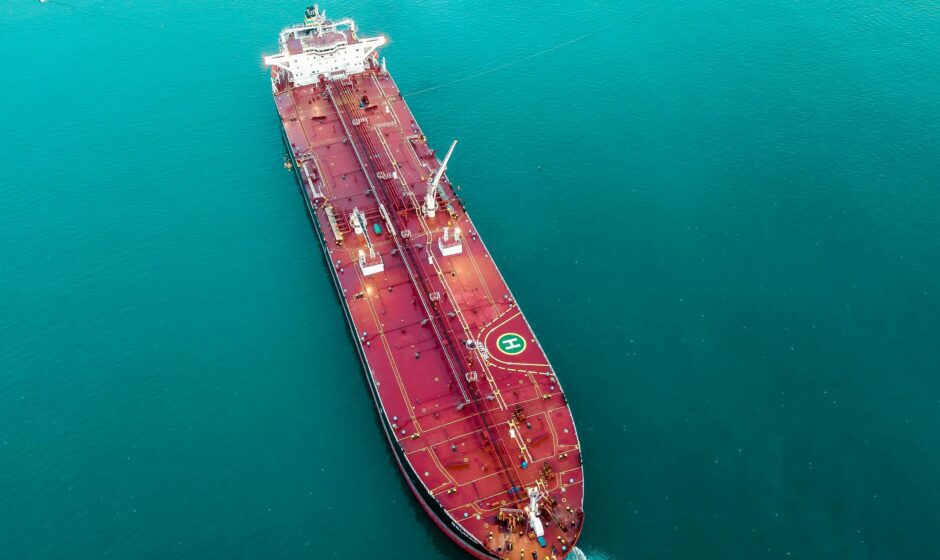
Global energy transitions rarely occur in smooth or predictable ways. Instead, they often accelerate during periods of geopolitical tension, economic disruption or sudden changes in energy prices. Throughout modern history, wars and conflicts involving oil-producing regions have repeatedly triggered technological innovation, energy diversification and changes in consumer behavior. Photo by Alexander Bobrov
Debates in the United States today reflect that same dynamic. Some critics argue that military or geopolitical confrontations tied to strategic oil regions could unintentionally accelerate the development of alternatives to petroleum. Supporters of aggressive energy security policies counter that maintaining access to global oil supplies remains essential to economic stability. Regardless of the political framing, economic history shows that conflicts affecting oil markets often produce powerful incentives to develop new energy technologies.
Oil has dominated transportation and industrial systems for more than a century. Cars, trucks, aircraft, cargo ships and many forms of heavy machinery rely heavily on petroleum-based fuels. Because modern economies depend on those systems, governments frequently treat access to oil as a strategic priority.
Yet when geopolitical tensions threaten supply, the result is often higher prices and market volatility. These disruptions can reshape the energy landscape. One of the most frequently cited examples occurred during the 1973 oil embargo, when several oil-exporting countries restricted petroleum shipments to Western nations. The embargo triggered widespread fuel shortages, long lines at gas stations and sharply rising gasoline prices across the United States and Europe.
The economic shock forced policymakers to reconsider the vulnerability of energy systems that depended heavily on imported oil. In the years that followed, governments introduced fuel-efficiency standards, expanded research into alternative fuels and encouraged the development of more efficient vehicles. Automakers shifted away from the large, fuel-intensive cars that had dominated the 1960s.
Although the crisis was initially about securing oil supply, it ultimately accelerated investment in technologies designed to use less of it. Energy economists sometimes describe this pattern as an “oil shock effect.” When fuel prices rise rapidly or become unpredictable, consumers and industries begin searching for ways to reduce exposure to future price swings. The result can be increased interest in alternative power sources, efficiency improvements and electrification.
Conflicts involving oil-producing regions can trigger similar responses. Much of the world’s petroleum supply travels through narrow maritime routes that are vulnerable to geopolitical instability. One of the most strategically important is the Strait of Hormuz, a corridor connecting the Persian Gulf to the global market. A significant share of international oil shipments passes through that waterway each day.
Any threat to that passage can push global oil prices higher, even if production itself remains unchanged. Oil markets respond quickly to perceived risk, and price increases can ripple through the broader economy.
Higher fuel costs affect nearly every sector. Airlines face increased operating expenses, shipping companies pass costs along to retailers, and consumers experience higher prices at the pump. Those pressures often encourage businesses and households to explore alternatives that offer more predictable energy costs.
In transportation, electrification has emerged as one of the most significant responses to fuel volatility. Electric vehicles eliminate the need for gasoline and can operate on electricity generated from a variety of sources, including natural gas, nuclear power, hydroelectric dams, wind or solar energy. That flexibility appeals to policymakers seeking to reduce exposure to global oil disruptions.
Automakers have increasingly expanded electric vehicle production over the past decade, driven partly by environmental policies but also by economic incentives. When gasoline prices climb, the long-term operating cost advantage of electric vehicles becomes more noticeable to consumers.
Beyond passenger vehicles, electrification is expanding into other sectors as well. Electric buses, delivery fleets and industrial machinery are becoming more common as battery technology improves. Advances in energy storage have also made renewable power sources more practical for supporting electrified transportation systems.
Energy analysts note that innovation rarely occurs in isolation. Instead, technological change tends to accelerate when economic pressure pushes industries to rethink existing systems.
Periods of geopolitical instability often create exactly that pressure. For example, the Russian invasion of Ukraine reshaped energy planning across Europe. Concern about dependence on imported fossil fuels led several countries to accelerate renewable energy investments and expand electrification programs. Governments also introduced new incentives for electric vehicles and energy-efficient infrastructure.
The shift was motivated partly by environmental goals but also by concerns about energy security and economic resilience. In the United States, energy policy debates frequently involve disagreements about how to balance fossil fuel production with long-term technological change. Some policymakers emphasize expanding domestic oil and gas production to maintain energy independence. Others argue that accelerating the transition to alternative power sources could reduce vulnerability to geopolitical shocks.
Despite those differences, most economists agree that price signals play a powerful role in shaping energy transitions. When oil becomes expensive or unstable, investment tends to flow toward technologies that reduce dependence on it.
That dynamic does not necessarily eliminate fossil fuels quickly. Oil infrastructure—including pipelines, refineries and transportation networks—represents decades of investment and remains deeply embedded in the global economy. Even as electrification expands, petroleum is expected to remain an important energy source for years to come.
However, repeated oil shocks can gradually reshape long-term economic behavior. Automakers may increase research into electric drivetrains and alternative fuels. Governments may expand charging infrastructure or support domestic battery manufacturing. Consumers may prioritize efficiency when purchasing vehicles. Each of those changes can incrementally reduce the role of petroleum in transportation.
Over time, those incremental shifts accumulate. The result is a complex feedback loop: geopolitical tensions surrounding oil can drive price volatility, which encourages technological innovation, which in turn gradually diversifies the global energy system.
For that reason, historians often note that some of the most significant advances in energy technology have followed periods of crisis rather than periods of stability. Whether current geopolitical tensions will produce a similar wave of innovation remains uncertain. Energy markets are influenced by many factors, including government policy, technological breakthroughs and consumer demand.
What history suggests, however, is that disruptions in oil supply have repeatedly pushed economies to reconsider how energy is produced, transported and consumed. Those moments of uncertainty can become powerful catalysts for change.